Clinical Scorecard: Enhancing Immune Thrombocytopenia Education and Support: Insights From a Learning Exchange Program
At a Glance
| Category | Detail |
|---|---|
| Condition | Immune Thrombocytopenia (ITP) |
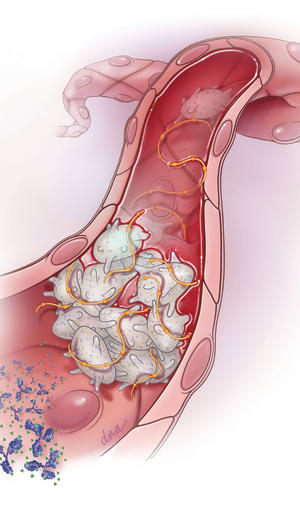
| Key Mechanisms | Megakaryocyte destruction in the bone marrow and/or antibody-mediated platelet destruction. |
| Target Population | Children and adults with ITP. |
| Care Setting | Outpatient and inpatient settings, including specialized clinics. |
Key Highlights
- ITP incidence: 8.8 cases per 100,000 person-years in children; 3.3 in adults.
- Acute ITP management focuses on increasing platelet count to prevent bleeding.
- First-line treatments include corticosteroids and immunoglobulin therapies.
- Chronic ITP significantly impacts health-related quality of life for patients and caregivers.
- Learning exchanges foster dialogue between patients, caregivers, and healthcare providers.
Guideline-Based Recommendations
Diagnosis
- Assess platelet count and bleeding history.
- Categorize ITP as acute, persistent, or chronic.
Management
- First-line: corticosteroids, anti-D immunoglobulin, IVIG.
- Second-line: TPO-RAs, rituximab, fostamatinib, romiplostim.
Monitoring & Follow-up
- Regular monitoring of platelet counts and bleeding symptoms.
Risks
- Severe cases can lead to life-threatening intracranial hemorrhage or massive internal bleeding.
Patient & Prescribing Data
Children and adults with varying stages of ITP.
Approximately 70% of children and 56% of adults achieve remission within 2 years.
Clinical Best Practices
- Facilitate shared decision-making between patients and clinicians.
- Address emotional and physical symptom burdens to improve HRQoL.
- Utilize learning exchanges to enhance communication and understanding.
Related Resources & Content
- Petito & Gresele, 2024
- U.S. Department of Health and Human Services, 2022
- Kohli & Chaturvedi, 2019
- Kühne et al., 2011; Shaw et al., 2020
- Segal & Powe, 2006
- Harris et al., 2023; Schultz et al., 2014
- Neunert et al., 2019
- Schifferli et al., 2018
- Cooper et al., 2021; Trotter & Hill, 2018
- McLinden et al., 2019; Mier-Alpaño et al., 2022
This content is an AI-generated, fully rewritten summary based on a published scholarly article. It does not reproduce the original text and is not a substitute for the original publication. Readers are encouraged to consult the source for full context, data, and methodology.